Chat

Get in touch - Side Form

RSS

Getting Your Yard Ready For The Summer.

After a long Canadian winter, spring is the perfect time to give your yard some much-needed attention. Snow, ice, and freezing temperatures can leave lawns, gardens, patios, and outdoor furniture looking tired by the time warmer weather arrives. The good news? A little preparation in the spring can make all the difference in creating a healthy, beautiful outdoor space you can enjoy all summer long.

Whether you’re planning backyard BBQs, relaxing evenings on the deck, or simply wanting the best-looking yard on the block, here are some practical tips to get your yard summer-ready.

1. Start with a Thorough Spring Cleanup

Before you can enjoy your outdoor space, it’s important to clean up the mess winter leaves behind.

Start by:

Raking up leaves, dead grass, and debris

Removing fallen branches and damaged plants

Cleaning flower beds and garden borders

Sweeping patios, decks, and walkways

This cleanup not only improves curb appeal but also allows sunlight, water, and nutrients to reach your lawn and plants more effectively.

2. Give Your Lawn Some Attention

Canadian winters can be tough on grass. Spring is the ideal time to help your lawn recover and prepare for the growing season ahead.

Key lawn care tips:

Rake thoroughly to remove thatch and dead grass

Aerate compacted soil if needed

Overseed bare patches

Apply spring fertilizer to encourage healthy growth

Mow carefully once the grass begins growing consistently

Avoid cutting your grass too short early in the season, as this can stress the lawn before summer heat arrives.

3. Prepare Your Garden Beds

Spring is the perfect time to refresh your flower beds and garden areas.

Consider:

Adding fresh mulch to help retain moisture and reduce weeds

Mixing compost into the soil for added nutrients

Trimming back dead branches from shrubs and perennials

Planting hardy spring flowers or preparing vegetable gardens

In many parts of Canada, it’s best to wait until the risk of frost has passed before planting more delicate flowers and vegetables.

4. Inspect Trees and Shrubs

Winter storms and heavy snow can damage trees and shrubs without you even noticing.

Take time to:

Remove broken or dead branches

Trim overgrown shrubs

Check for signs of disease or pests

Ensure trees are not leaning or damaged after winter winds

Proper pruning in spring can encourage healthier growth throughout the summer months.

5. Refresh Outdoor Living Spaces

Once temperatures begin warming up, Canadians love spending time outdoors. Make your patio, deck, or backyard entertaining area ready for the season.

A few simple upgrades can make a huge difference:

Power wash decks, patios, and fences

Clean outdoor furniture

Replace worn cushions or décor

Check BBQs and propane tanks

Add planters or outdoor lighting for a fresh seasonal look

Creating a welcoming outdoor space can greatly increase enjoyment of your home during the warmer months.

6. Check Your Irrigation and Drainage

Spring is also the ideal time to inspect sprinklers, hoses, and drainage systems.

Look for:

Leaks or cracked hoses

Sprinkler heads that need adjusting

Areas where water pools after snow melt or rain

Gutters and downspouts clogged with debris

Good drainage helps protect both your landscaping and your home’s foundation.

7. Control Weeds Early

One of the best ways to maintain a healthy yard all summer is to tackle weeds before they spread.

Pull weeds early in the season and apply mulch to garden beds to help prevent future growth. Staying ahead of weeds in spring means less work later in the summer.

8. Think About Curb Appeal

Spring yard maintenance isn’t just about enjoying your home — it can also add value to your property.

Simple improvements like:

Fresh mulch

Trimmed hedges

Healthy green grass

Colourful flowers

Clean walkways

can dramatically improve your home’s curb appeal and make your property feel more inviting.

Final Thoughts

A little work in the spring can go a long way toward creating a beautiful, relaxing outdoor space for the summer months ahead. By cleaning up winter damage, caring for your lawn and gardens, and refreshing your outdoor living areas, you’ll be ready to fully enjoy everything a Canadian summer has to offer.

And remember — yard maintenance doesn’t have to happen all at once. Tackling a few projects each weekend throughout spring can make the process manageable and enjoyable.

Here’s to sunny days, green lawns, and backyard memories all summer long!

Read

Happy New Year From The Julie Parry Real Estate Team

Happy New Year from the Julie Parry Real Estate Team - REMAX First

We’re so grateful for everyone who supported us, referred us, and trusted us with their real estate journey this past year. Wishing you all a fantastic New Year filled with happiness, health, and exciting new chapters. We can’t wait to see what 2026 brings!

Best Wishes from our family to yours.

Julie, Eddie & Frasier.

Read

How to Winterize Your Outside Faucets

Protecting your outdoor faucets from freezing temperatures is essential to avoid costly damage. Frozen pipes can burst and lead to leaks inside your walls or foundation. Here’s a simple step-by-step guide to winterize your outside faucets and keep your home safe:

1. Disconnect Garden Hoses

Remove all hoses from outdoor faucets. Leaving hoses attached can trap water in the pipe, increasing the risk of freezing and bursting. Empty the water out of the hoses and store them away for the winter.

2. Turn Off the Water Supply

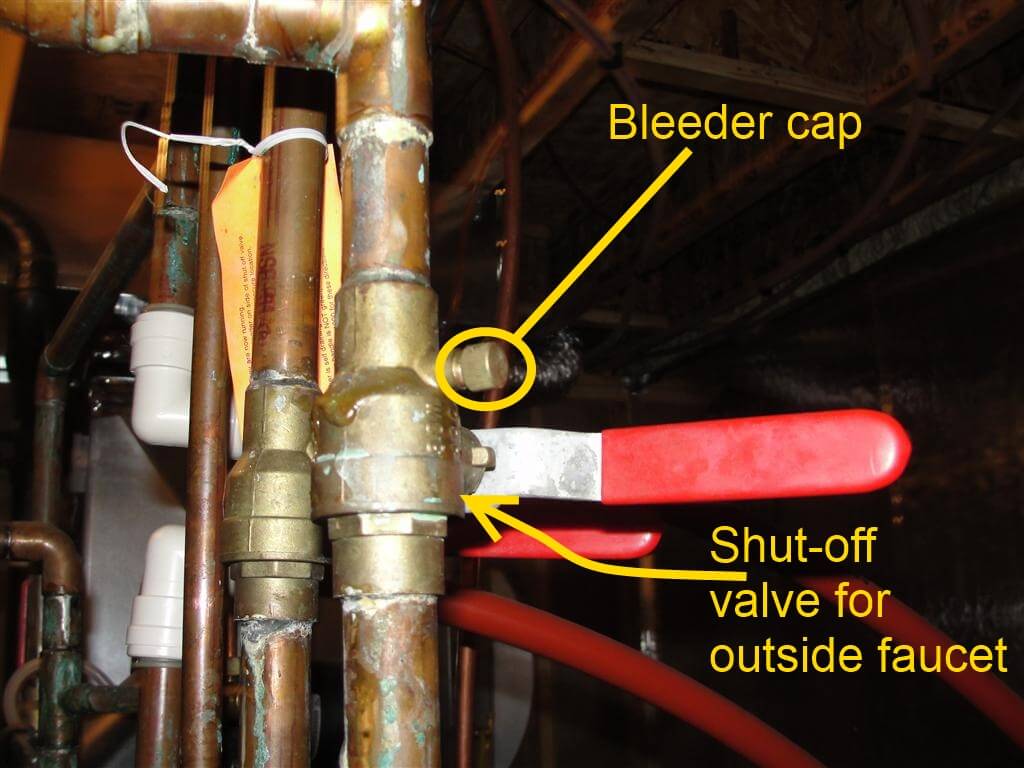
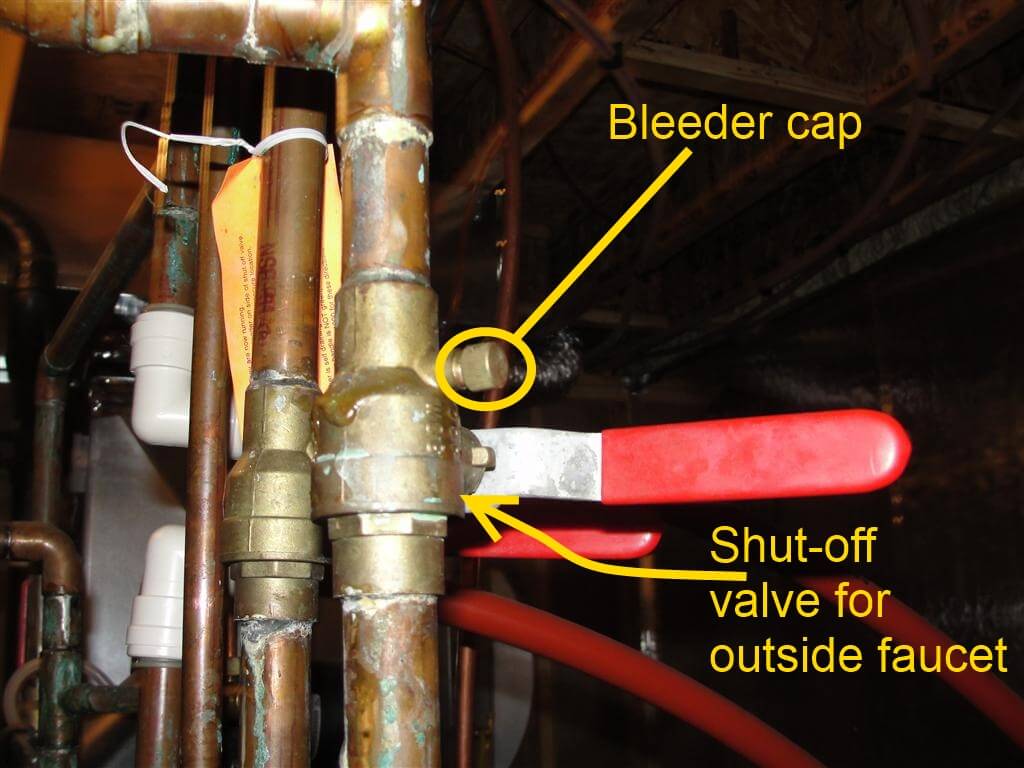
Find the shut-off valve(s) inside your home that controls the exterior faucets and turn them off. This is normally in the furnace/mechanical room.

3. Drain Remaining Water

Go back outside and open the outdoor faucets to drain any water left in the pipe. Leave the exterior faucets open throughout the winter so any residual water can expand without causing damage.

4. Bleed Water Back Out Of The System

Go back to the water shut-off valve(s) and locate the bleeder cap. Open the bleeder cap and have a bucket handy ready to catch the water as you drain the outside faucet water line (to make it a little less messy you can also use a cloth or small towel beneath the bleeder cap and put the end into the bucket, so the water soaks through it into the bucket). Once the water has finished draining simply tighten up the bleeder cap(s). Your system is now winterized.

By taking these simple steps now, you’ll protect your home from water damage and expensive repairs down the road.

Please don't hesitate to reach us to us if you have any questions.

Read

Happy Canada Day!

Sending warm wishes to you and your family on Canada Day. From our family, to yours. The Julie Parry Real Estate Team - RE/MAX First.

Read

Understanding The Implications Of Co-Signing On A Loan.
Understanding the Impact of Co-Signing a Loan on Your Credit.

If a friend or family member asks you to co-sign a loan, we completely understand you would want to help them out, but it’s important to understand the implications this can have on your own financial health, especially your credit score. Co-signing a loan is not just a signature; it's a commitment that makes you equally responsible for the repayment of the loan. Here’s what you need to know:

You’re Responsible For The Loan.

As a co-signer, you agree to take on the responsibility of the loan along with the primary borrower. If the borrower fails to make payments, you will be expected to step in and make them. This can affect not only your finances but also your credit score.

Your credit score could be affected in multiple ways. Initially, when the loan is approved, there might be a slight dip in your credit score due to the hard inquiry from lenders. Furthermore, the loan will increase your debt-to-income ratio, which is a critical factor in credit scoring. If the primary borrower misses a payment or defaults, your credit report will reflect these delinquencies, since the loan appears on your credit report as well.

By co-signing a loan, you’re using up part of your credit capacity, making it potentially more difficult to obtain personal credit for other uses. The length of the loan also matters. For long-term commitments like mortgage loans, remember that you’re tied to this financial responsibility for the duration, potentially limiting your financial moves.

Co-signing a loan should not be taken lightly. It entails significant financial risk and can impact your financial standing and credit score substantially. It’s crucial to ensure that the primary borrower is reliable and to have a solid agreement in place about who will cover the loan payments. Always consider seeking advice from a financial advisor to understand all possible outcomes before you commit.

Read

Thank you to everyone who voted for me.

Thank you so very much for everyone who took the time to vote for me, it is very much appreciated. This award is so important to us because it is voted for by you.

Congratulations to all the other recipients.

Read
Data is supplied by Pillar 9™ MLS® System. Pillar 9™ is the owner of the copyright in its MLS®System. Data is deemed reliable but is not guaranteed accurate by Pillar 9™.
The trademarks MLS®, Multiple Listing Service® and the associated logos are owned by The Canadian Real Estate Association (CREA) and identify the quality of services provided by real estate professionals who are members of CREA. Used under license.